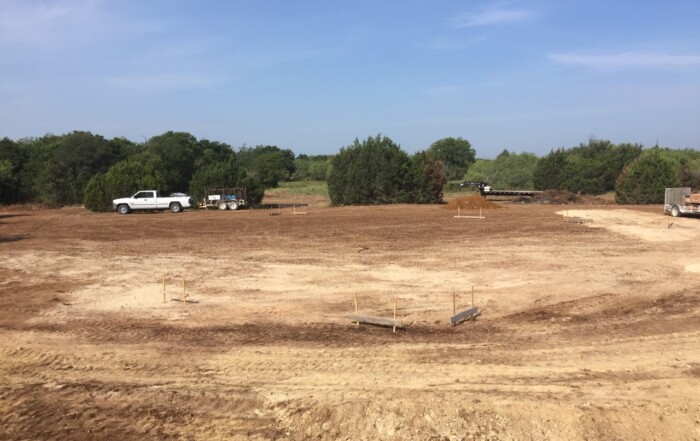

Repairing Roads and Driveways After Flood Damage
Has recent flooding damaged your private road or driveway? Flooding can wreak havoc on roads and driveways, causing erosion, potholes, and even structural failure. But the good news is, that you can restore and upgrade these surfaces to be more resistant to future damage. In this article, we’ll show you how to repair flood-damaged roads and driveways, with tips on how to make them more erosion-resistant for the long haul.
Assessing the Damage: The First Step in Road Repair
Before diving into repairs, it’s important to assess the extent of the flood damage thoroughly. Look for the following signs:
- Cracked or washed-out surfaces
- Deep potholes
- Erosion along the edges
- Standing water that doesn’t drain properly
Once you’ve identified the issues, you can start planning your repair and upgrade strategy.
Upgrade to Erosion-Resistant Roads and Driveways
Flood-damaged roads and driveways are vulnerable to future erosion if they aren’t properly upgraded. Here are a few techniques to make your roads more durable:
1. Install Culverts to Improve Drainage
Culverts are essential for preventing future flooding and erosion. These structures allow water to flow underneath the road instead of washing over it, minimizing erosion and water damage. When installing culverts:
- Ensure they are the right size for the area’s water flow.
- Position them strategically to direct water away from the road.
- Keep culverts clean and free of debris to maintain proper drainage.
2. Raise the Road Bed
Flooding often washes away the road bed, making the surface uneven and prone to further erosion. Raising the road bed will:
- Improve water runoff, keeping water from pooling on the road.
- Strengthen the road’s foundation, making it more resistant to future flooding.
For long-term durability, consider using a mixture of crushed stone and gravel to raise the road bed. This allows for better drainage and prevents water from sitting on the surface.
3. Use Erosion Control Techniques
Erosion control is key to preventing future flood damage. Some effective methods include:
- Geotextiles: These synthetic fabrics are placed beneath the road surface to stabilize the soil and prevent erosion.
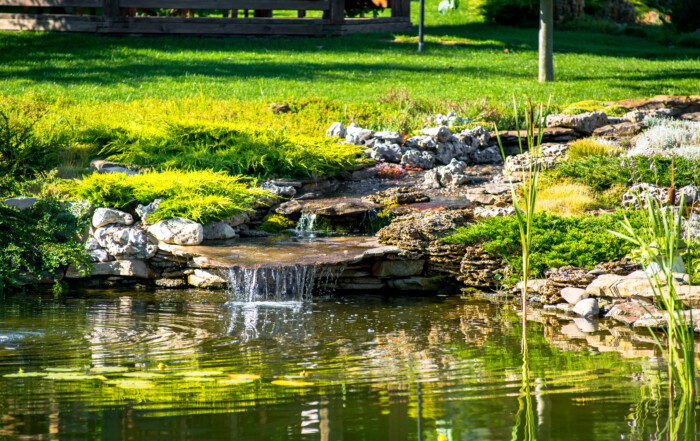
- Riprap: Large rocks or stones are placed along the edges of the road to reduce erosion caused by water runoff.
- Vegetation: Planting grass or other ground cover along the road’s edges helps hold the soil in place and absorb excess water.
Materials to Use for Road Repairs After Flood Damage
When repairing flood-damaged roads, using the right materials can make all the difference. Here are some durable options to consider:
- Gravel: An excellent choice for rural driveways and private roads, gravel allows for better drainage and is more erosion-resistant than asphalt.
- Crushed stone: This material creates a solid base for the road and improves water runoff.
- Asphalt with a high-grade binder: For those who prefer asphalt, using a high-quality binder can make it more resistant to cracking and erosion.
The Role of Professional Help in Road Repairs
While some road and driveway repairs can be done yourself, larger projects or extensive damage may require professional assistance. Wright Construction specializes in restoring flood-damaged roads and driveways. With years of experience in erosion control, drainage solutions, and road building, Wright Construction can help upgrade your road to withstand future floods.
Protect Your Roads from Future Flood Damage
Flooding can devastate roads and driveways, but with the right upgrades, you can make them more durable and resistant to future erosion. If you’re looking for professional help, Wright Construction has the expertise to ensure your private roads and driveways are built to last.
Ready to upgrade your flood-damaged roads? Contact us today to get started on a durable, erosion-resistant solution.