How to Choose the Perfect Location for Your Pond
A pond doesn’t fail because of poor digging alone. More often, it’s the placement that determines its lifespan. Two ponds can be built in the same week using the same equipment, yet perform completely differently. One stays full, while the other slowly leaks or dries out in the summer heat. In many cases, nothing went wrong during construction; the land made that decision long before the first scoop of dirt was moved.
Building a pond in Texas works best when the ground naturally supports water retention. Clay soil, proper slope, and effective drainage do most of the heavy lifting. When these elements align, the pond remains stable with minimal maintenance. When they don’t, issues tend to persist.
Before you begin digging, check four essentials: soil that holds water, drainage that feeds it, a gentle slope for containment, and enough space for equipment access. When these conditions are met, pond construction becomes smoother and more reliable from the start.
What Is Pond Site Selection?
The Role of Soil and Slope
Pond site selection is the process of choosing land that can naturally support water without constant intervention. Soil is the foundation. Clay seals tightly and holds water, while sandy or rocky soil allows it to seep away. Even the best-designed pond won’t stay full if the ground beneath it can’t retain water.
Next comes slope. Since water flows downhill, a gentle slope helps feed and maintain the pond naturally. Flat land often requires additional work and ongoing maintenance.
Drainage, Purpose, and Accessibility
Drainage direction is just as important. Rainwater should naturally flow toward the pond. When runoff feeds the pond, water levels stay more consistent without relying on external sources. Groundwater stability also plays a role; reliable groundwater helps maintain levels, while dry conditions lead to loss.
The pond’s purpose matters too. Whether it’s for livestock, fishing, or irrigation, each use may require a different location. Accessibility is critical; if equipment can’t easily reach the site, construction becomes slower, riskier, and more expensive. It’s also essential to avoid building over underground utilities or septic systems. Ultimately, the best pond locations work with the land, not against it.
How Does Proper Pond Placement Work?
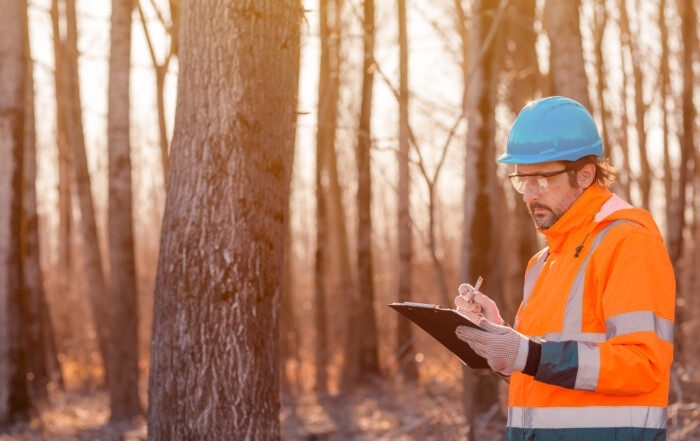
Experienced Texas pond builders always study the land before breaking ground. Digging comes later.
Step 1: Test the Soil
Test holes reveal whether clay is present. Sandy, rocky, or limestone-heavy soil increases the risk of leaks.
Step 2: Evaluate the Slope and Surroundings
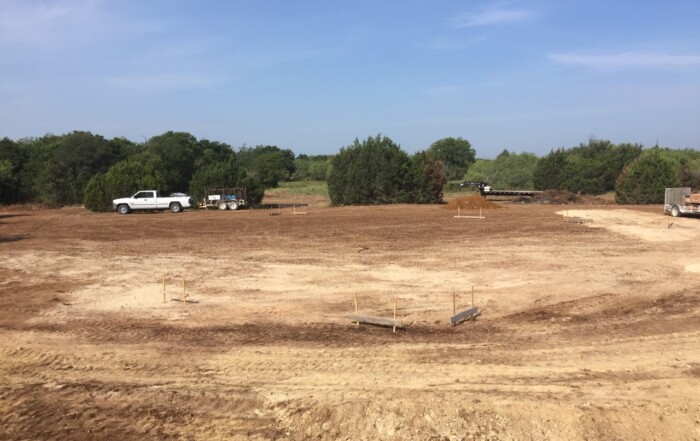
A gentle slope helps water collect and remain stable. Flat areas or steep runoff zones can cause problems. It’s also important to keep a distance from large trees to prevent root damage over time. Many ponds are created by building a small dam across a natural low point, allowing water to collect naturally rather than relying solely on excavation depth.
Step 3: Confirm Drainage and Access
The site must allow natural runoff to flow toward the pond. At the same time, easy access for excavation equipment is non-negotiable for an efficient and safe build.
When soil, slope, and drainage all align, the result is a pond that performs well for years.
Why Is Pond Location Important for Lasting Success?
Location ultimately determines a pond’s future. Issues with soil, drainage, or slope may not be obvious at first, but they tend to surface over time. In Texas, intense heat and inconsistent soil conditions can amplify these problems, leading to frequent refilling and repairs.
Placement also affects structural stability. Ponds built in natural low points allow water to settle and remain steady. Poor placement can create pressure points that weaken the dam or pond edges.
Watershed size is another key factor. Without enough surrounding land to supply runoff, ponds struggle to maintain water levels during dry periods. Sun exposure and wind also play a role; too much of either can increase evaporation, while some shade and shelter help retain water.
Benefits of Choosing the Right Pond Location
A well-chosen site improves performance and reduces long-term maintenance:
- Better Water Retention – Clay-rich soil naturally prevents leaks
- Lower Maintenance Needs – Proper placement minimizes ongoing repairs
- Stronger Structural Stability – Correct slope and drainage reduce erosion
- More Reliable Water Levels – Natural runoff helps maintain consistency
- Smoother Construction Process – Easy access keeps excavation efficient and on schedule
How to Pick the Most Suitable Spot for Your Pond?
Selecting the apt spot relies on reading how the land behaves:
- Check the soil. Clay holds firm and seals water, while loose/sandy soil leaks.
- Watch for natural runoff. Low areas where water gathers are perfect as pond sites.
- Avoid large trees since roots tend to weaken edges and create future leak paths.
- Utilize a gentle slope to channel water in. Flat ground struggles to keep it.
- Make sure there’s proper equipment access to keep pond digging safer and faster.
FAQs
Do I need a permit to build a pond in Texas?
In many cases, small private ponds don’t require permits, but regulations can vary by county and intended use. It’s always a good idea to check local guidelines before starting construction.
Can a pond be built on flat land?
Yes, but it typically requires more planning and added work, such as creating a berm or relying on external water sources to maintain levels.
Will my pond need a liner?
That depends on your soil. Properties without enough clay content may require a liner or soil treatment to prevent water loss.
Start with the Right Ground
A pond’s success begins long before excavation. Soil, slope, and drainage are what keep water in place, not just the digging itself. When the location is right, your pond can remain stable and low-maintenance for decades. When it’s wrong, problems tend to follow.
If you’re planning to build a pond, the best first step is choosing a site that works naturally with your land. The team at Wright Construction can help you evaluate your property, identify the ideal location, and ensure your pond is built to last. Reach out today to get started on a pond that performs as well as it looks.