A Comprehensive Guide to the Excavation Process
When it comes to any construction project, there’s a lot of work and preparation that must be done before you can start building. One of the very first steps in a construction project is the excavation process. Excavation is the process of digging and removing land to create the foundation for buildings, roads and more.
Excavations can be a complex task that requires a team of experienced contractors to get the job done. That’s why Wright Construction is your best choice for completing any project in the Northern Texas area. Let’s take a look at our excavation process step-by-step to get a better understanding of how it works.
Examining the Job Site
Before any work can begin, the job site must be carefully surveyed to have an idea of what lies on the surface. The survey assesses the current condition of the site, such as the topography and soil composition to determine if it can support the structure being built.
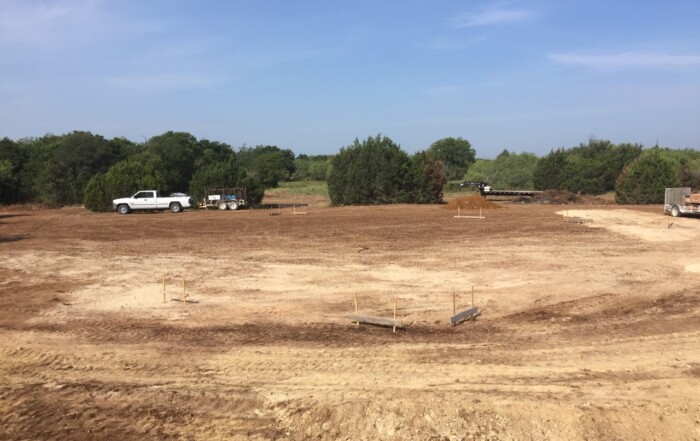
It is also important to understand what lies underground. Some sites could have objects like tree roots, power lines or pipes underneath the surface that must be avoided. Markers or stakes are placed on the ground at this stage to give an outline of where the structure will be built.
Creating an Excavation Plan
Once the job site has been surveyed, the next step in the excavation process is to develop a detailed excavation plan. At this stage, the type of machinery and materials needed for the project are determined. Another important part of this stage is obtaining the proper permits or approvals from the city for the design. This will ensure that the project meets certain safety standards, zoning regulations, building codes and mitigates environmental impact.
Clearing the Job Site

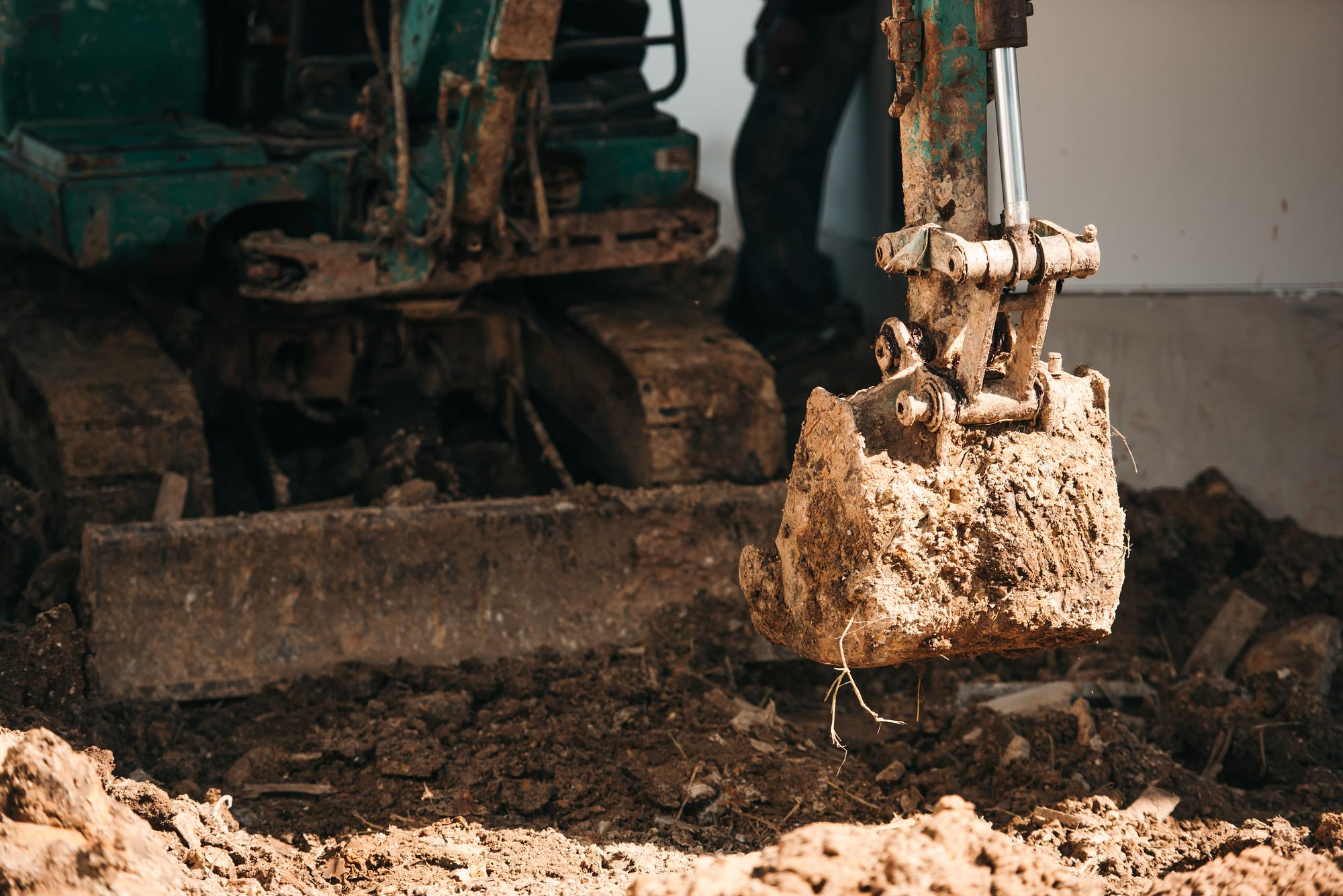
Now that the surveying and planning phase are officially over, the excavation can finally begin. One of the final steps in the excavation process requires the use of heavy machinery to clear the job site of any unwanted materials like trees, bushes, and anything under the surface. The surface is then leveled to create a balanced foundation, so the weight of the structure is distributed evenly. Throughout this stage, the job site is carefully inspected and monitored to follow the original plan and control erosion.
Installing Utilities
When the excavation is completed, the next stage involves installing certain infrastructure to support the utilities for the building. The team will build trenches and spaces to install power, water, sewage, Internet and more for the structure. Drainage infrastructure is also created to prevent stormwater runoff and flood damage during and after the construction project.
Choose Wright Construction for Your Next Big Project
The excavation process needs to be very thorough since it is the foundation for the rest of your project. It requires the proper skill, machinery, and attention to detail to do it right.
At Wright Construction, we specialize in excavation, demolition, landscaping, and more in Whitney, Hill County, and Northern Texas areas. If you are looking to get in touch with reliable excavation contractors, please contact us today!