Texas Heavy Equipment Hauling: Key Considerations for Contractors and Property Owners
Your excavator is only worth money when it is working. Sitting on the wrong side of the county, it is a very expensive paperweight. That is why heavy equipment hauling deserves more attention than most people give it. The truck, the trailer, the permit, and the timing all decide whether your project starts on schedule. So let us cover what actually matters.
Table of Contents
- What Does Heavy Equipment Hauling Actually Involve?
- Which Trailer Fits Which Machine?
- Do Texas Rules Change How You Haul?
- How Do You Choose a Hauler You Can Trust?
- Ready to Move Your Machines with Wright Construction?
- FAQs
What Does Heavy Equipment Hauling Actually Involve?
More than a truck and a chain. A good haul starts with the machine’s exact weight and dimensions. Then the hauler matches the trailer, plans the route, and checks whether a permit is needed. Loading comes last, and it is where mistakes get expensive.
The weather factor matters a lot too. In fact, mud at the pickup site can stop a loaded truck cold. This is where owners can help a lot. Make sure to clean off mud and loose debris, lower or secure buckets and blades, and tell the hauler about gate widths and soft approaches. We see jobs run smoother every time the owner shares those details upfront. Surprises, not distance, cause most delays.
Texas moves a huge number of oversize loads every year. A 2015 GAO report found the state issued more than 408,000 oversize permits and about 381,000 overweight permits in 2013.
Which Trailer Fits Which Machine?
Not every machine rides the same way. Lowboy trailers carry dozers, backhoes, and other heavy equipment because their deck sits low to the ground. That keeps height down and loads stable. Bulk materials like gravel, base, and fill travel differently, in belly dump or end dump trucks.
When we talk about heavy equipment hauling in North Texas, it often means short hops, with the occasional long run down a highway. Short hops are not simple. Gates are narrow, driveways are soft, and turnaround space is tight. A driver who knows rural roads earns every penny of the quote.
So match the trailer to the machine, not to the price. A rig that is too small can force a second trip. And a second trip costs more than the first.
Do Texas Rules Change How You Haul?
Absolutely. Texas allows loads up to 8 feet 6 inches wide, 14 feet tall, and 80,000 pounds gross without a permit, with axle limits layered on top. Cross any of those lines and you need an oversize or overweight permit from Texas DMV. Besides, oversize loads often travel only in daylight hours, which certainly affects scheduling.
Here is a quick checklist before any haul:
- Confirm the machine’s weight and dimensions, including attachments
- Check whether the loaded rig stays under legal width, height, and weight
- Ask who obtains the permit and who pays for it
- Confirm route restrictions and delivery windows
- Plan for escorts if the permit requires them
Skip a step and you risk fines and a truck parked on the shoulder. You can find the official limits on the TxDMV size and weight page.
How Do You Choose a Hauler You Can Trust?
Ask how they handle permits. Ask who loads and unloads. Ask what happens if the site turns muddy. Then listen to how they answer. A hauler who explains the plan in plain language usually runs a tight operation.
Look for people who understand construction, not just trucking. One customer had an abandoned trailer house that needed to move off a road, and she said our team went above and beyond to get it done. That is the standard we hold ourselves to. A hauler who understands the job site anticipates problems before the load ever rolls.
Does the cheapest quote win? Seldom. Compare what each one includes, and watch for missing items like fuel, wait time, and escorts.
Ready to Move Your Machines With Wright Construction?
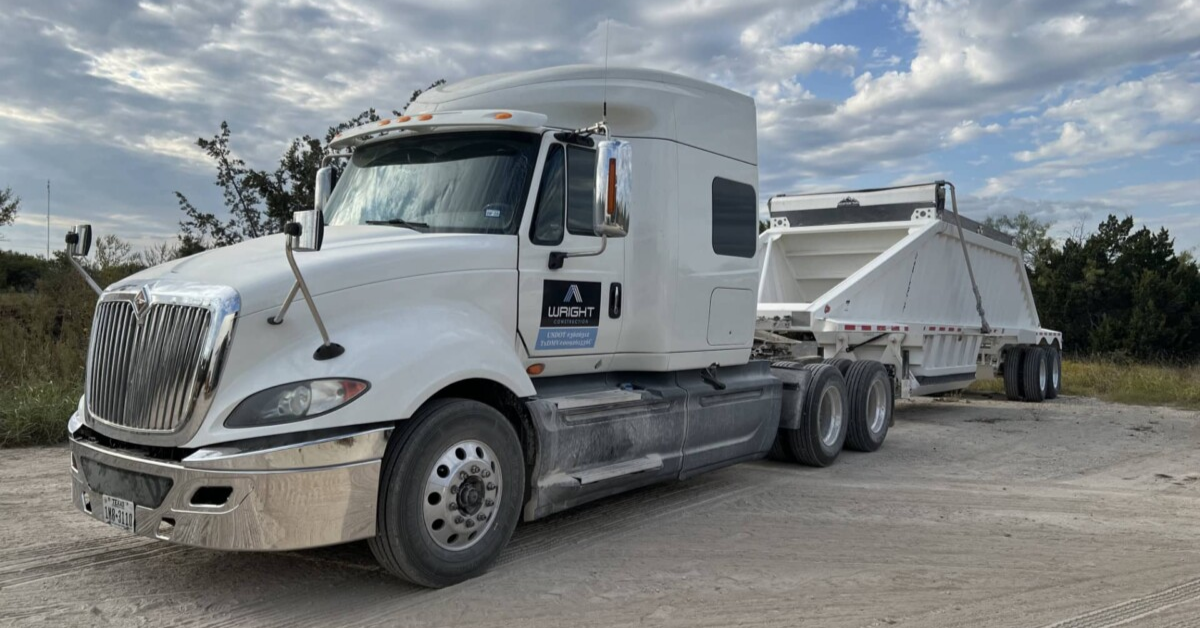
Our trucking division delivers materials and hauls heavy equipment anywhere in Texas, with belly dump and end dump trucks and lowboy trailers ready to go. Because we also run dozers, backhoes, and crews, we understand what your machines need on arrival. Wright Construction has been doing dirt work since 2016, backed by more than 35 years of experience.
Frequently Asked Questions
What factors affect the cost of heavy equipment transportation?
Distance, machine size, and weight come first. Trailer choice matters too, because larger machines need a lowboy. Permits, pilot cars, fuel, and tight delivery windows add to the total. Rough job sites can need extra time for safe loading and unloading.
Do I need a permit to haul heavy equipment in Texas?
Often, yes. Texas requires an oversize or overweight permit once a load passes legal limits, including 8 feet 6 inches wide, 14 feet tall, or 80,000 pounds gross. TxDMV issues these permits, and your hauler should confirm dimensions and weight before the truck rolls.
How should heavy equipment be prepared for transportation?
Clean off mud and loose debris, lower or secure buckets and blades, and fold or remove attachments. Check fluid leaks and note the machine's exact weight and dimensions. Tell your hauler about soft ground at the pickup site so the truck can load safely.
How long does it take to transport heavy equipment in Texas?
A short local haul can take a few hours, including loading. Longer trips take longer, and oversize loads often travel only in daylight hours. Permit approval, route planning, and weather add time. Give your hauler a few days of notice when you can.